![[LOGO] Fondation Erie](https://fondation-erie.org/wp-content/uploads/2023/02/logo-fondation-erie.svg)
Since its launch in 2019, the Erie Foundation has developed an ambitious and systemic approach, designed in collaboration with a network of renowned international experts.

The foundation helps and supports ’on the ground’ initiatives designed to improve the mental health system so that everyone, including the most fragile in society, has access to help and care.
Our four major challenges
We have chosen partners who can provide solutions to address the four most pressing issues identified in the field of mental health today:

Facilitating early access to care
It is scientifically proven that receiving care at the onset of the first symptoms can improve prognoses and lead to a fourfold increase in a person’s chances for rehabilitation and social and professional reintegration.

Change in therapeutic practices
Suggesting new therapeutic approaches and facilitating care for everyone are real needs for patients and those close to them.

Improving reintegration into mainstream society for people with mental illness
Ensuring people who live with mental illness play a central role when it comes to their own recovery, so they can find their place in society and live a fulfilling life.

Changing the image of mental illness
Stigmatisation and prejudices are real barriers to people accessing and receiving care.
Support,
unify,
energize.
The work of the Erie Foundation is rooted in the principles of strategic philanthropy. It offers various types of support to its partner organizations.
Financial support, generally spread over several years, allowing projects to stabilize and thus develop and maximise their impact.
Non-financial support, aimed at making sure our partners have access to the foundation’s skills and networks to increase their impact through strategic support, synergies with others, sharing information…

The foundation reaches out directly to stakeholders who share a similar vision and in consultation with experts, selects projects based on:

Since 2019, the foundation has helped and supported over a hundred projects.
![[LOGO] Prévention Suicide France](https://fondation-erie.org/wp-content/uploads/2026/07/Logo_PSF.svg)
![[LOGO] Restructuring and Revitalization of the Mutual Support Groups Network (GEM)](https://fondation-erie.org/wp-content/uploads/2026/10/FIGEM-large-1.png)
![[LOGO] The “SESAME” project](https://fondation-erie.org/wp-content/uploads/2023/11/quartet-sante-logo-large.png)
Portrait Expert

Portrait Expert
Anne-Sarah Kertudo
Lawyer, founder and director of the association Droit Pluriel.
« During my training, my supervisor told me: "If someone is agitated, or speaks in a confused or delusional way, you need to get rid of them — they're potentially dangerous. »View the portrait
Portrait Expert
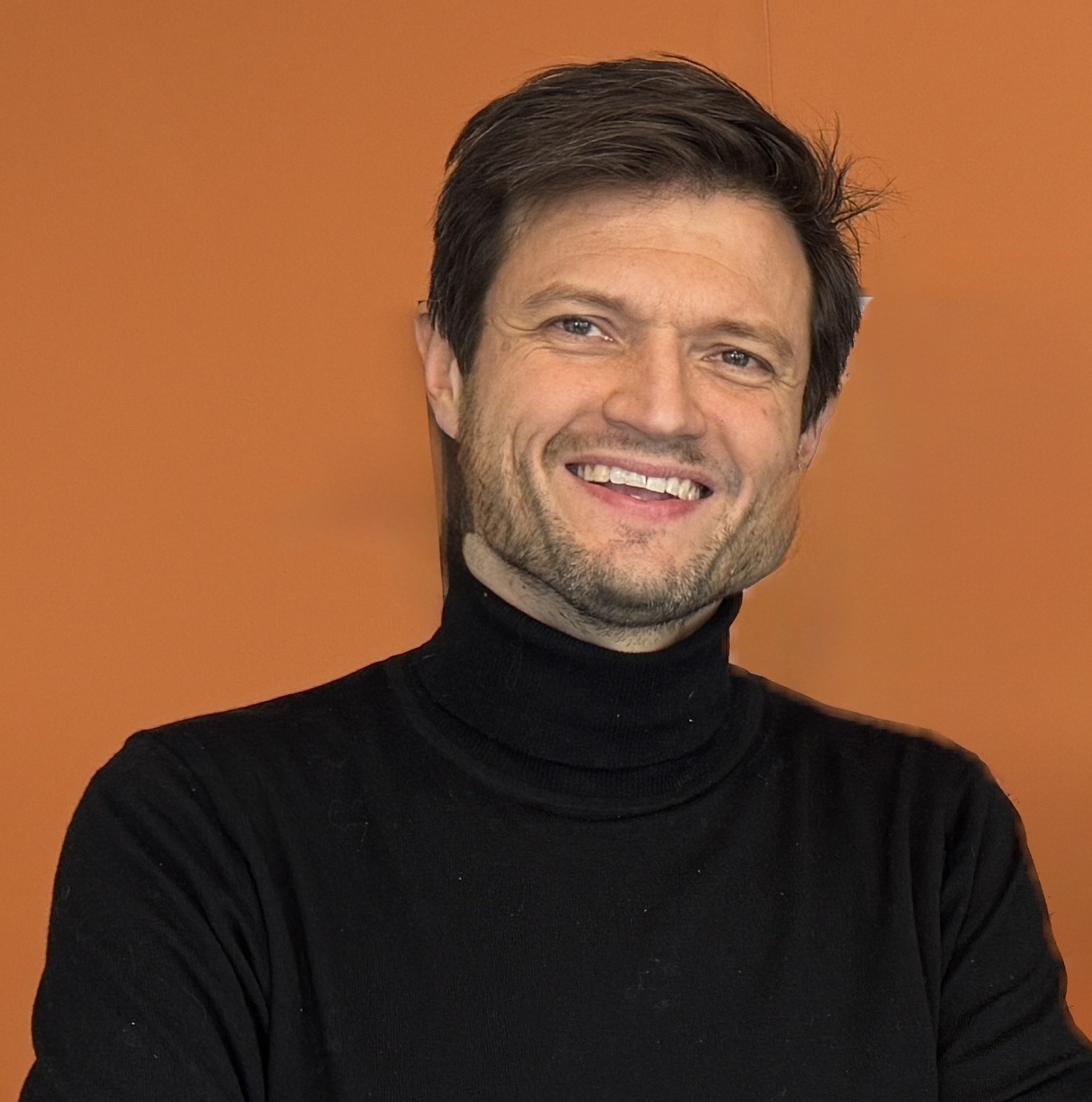
Portrait Expert
Pierre Oswald
Psychiatrist, professor, and head of the psychiatry department at Brussels University Hospital (HUB).
« Two people with the same condition, or facing comparable suffering, won't necessarily need the same care. »View the portrait
Portrait Expert
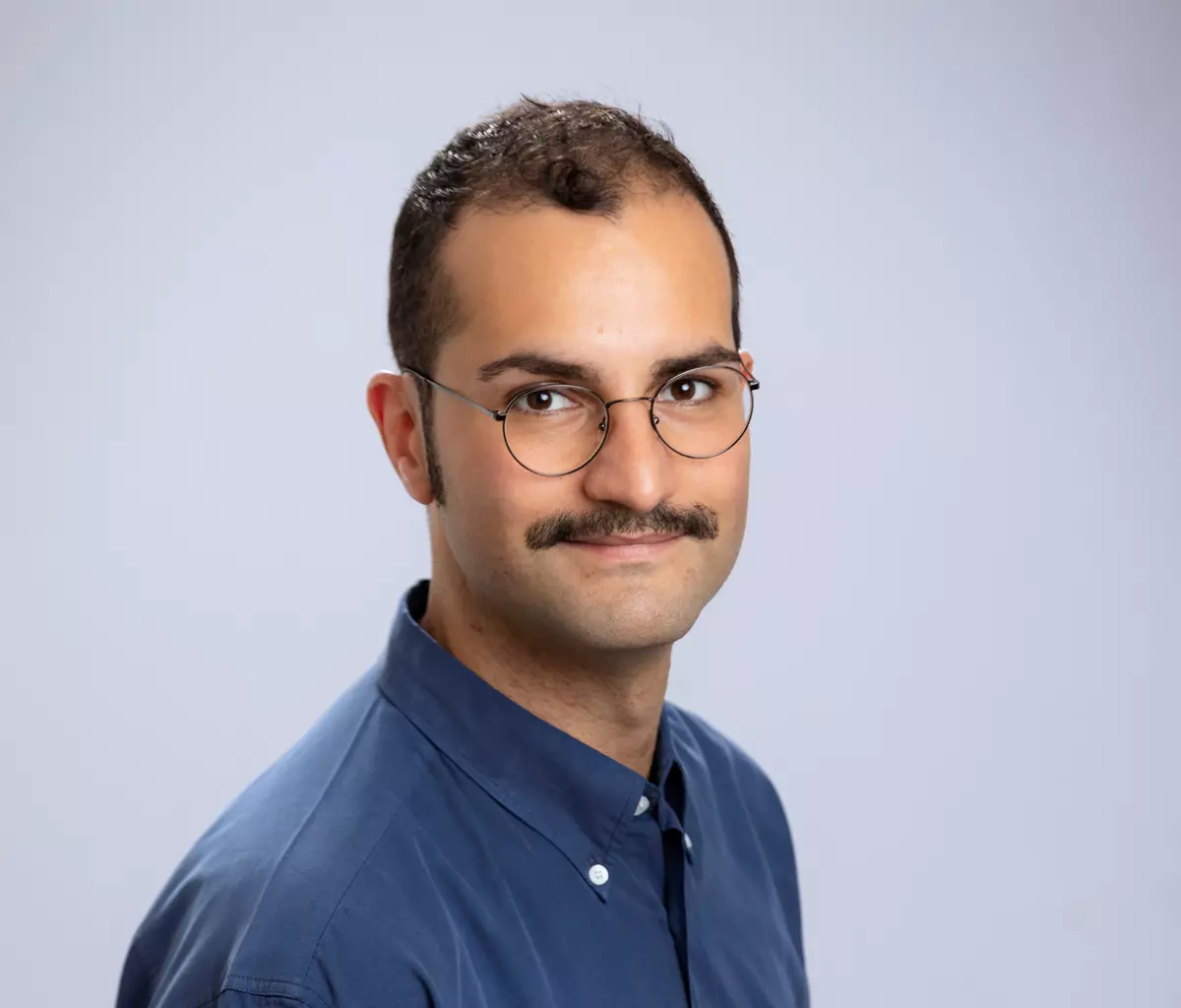
Portrait Expert
Simone Marchini
Child psychiatrist, researcher at ULB and Brussels University Hospital.
« In a complex institutional system, where multiple levels of power, funding, and organization coexist, it's not always easy to find the right entry point or ensure a smooth handoff between those involved. »View the portrait
Portrait Expert
Portrait Expert
Cédric Lemogne
Professor of psychiatry, head of the adult psychiatry department at Hôtel-Dieu (AP-HP, Paris).
« Caring for women who are victims of domestic violence is not just a matter of social, legal, or physical treatment: this violence, so common, is also a mental health issue. »View the portrait
Portrait Expert
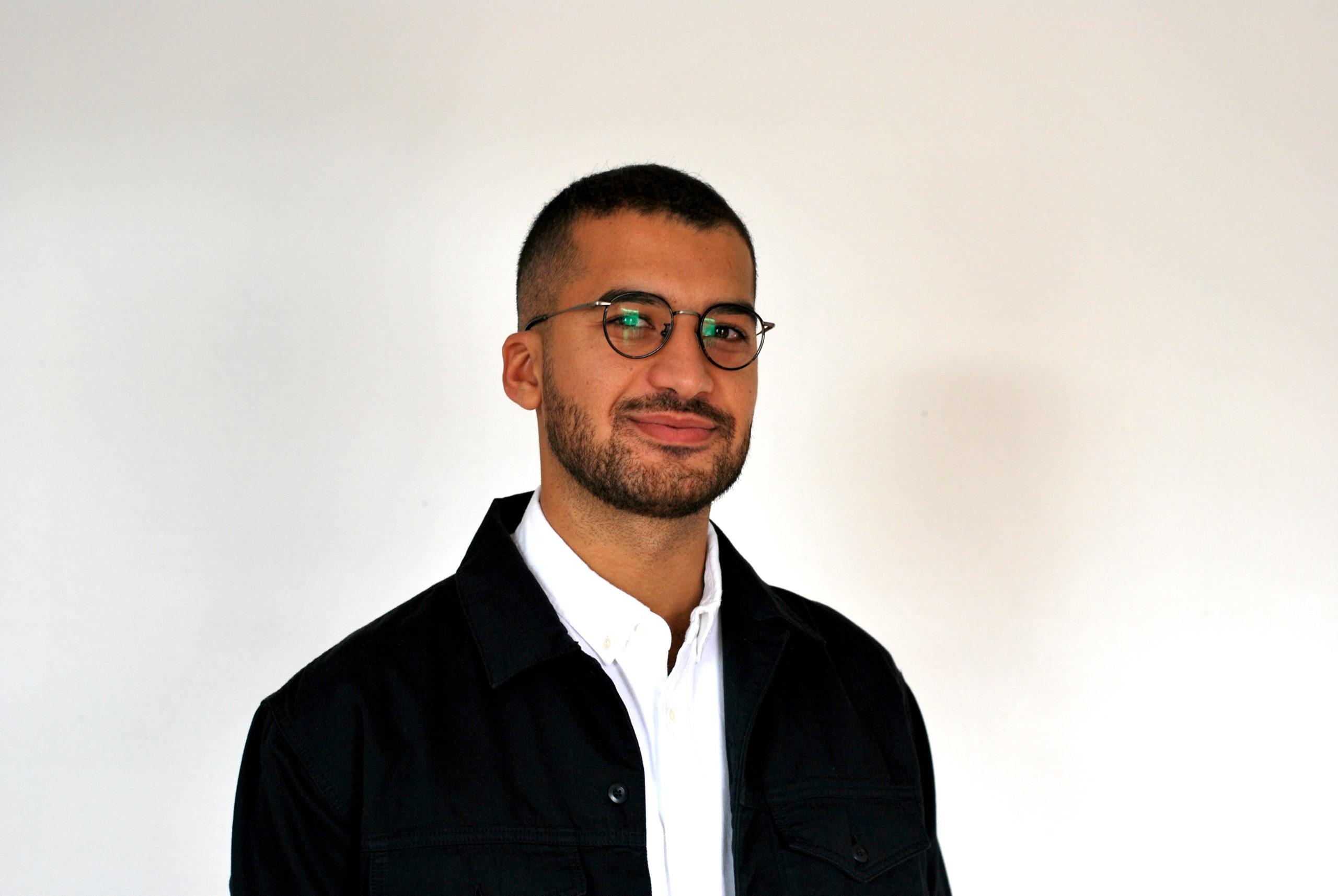
Portrait Expert
Dr. Jean-Victor Blanc
A psychiatrist and addictologist at Saint-Antoine Hospital (AP-HP, Paris), Jean-Victor Blanc is also a lecturer at Sorbonne University and founder of ‘Culture Pop et Psy’.
« [...] the priority here should be working to finally shift how we regard mental health. [...] By moving away from these stereotypes, we can revisit certain clichés, which will allow us to look after ourselves better and also promote inclusion. »View the portrait
Portrait Expert
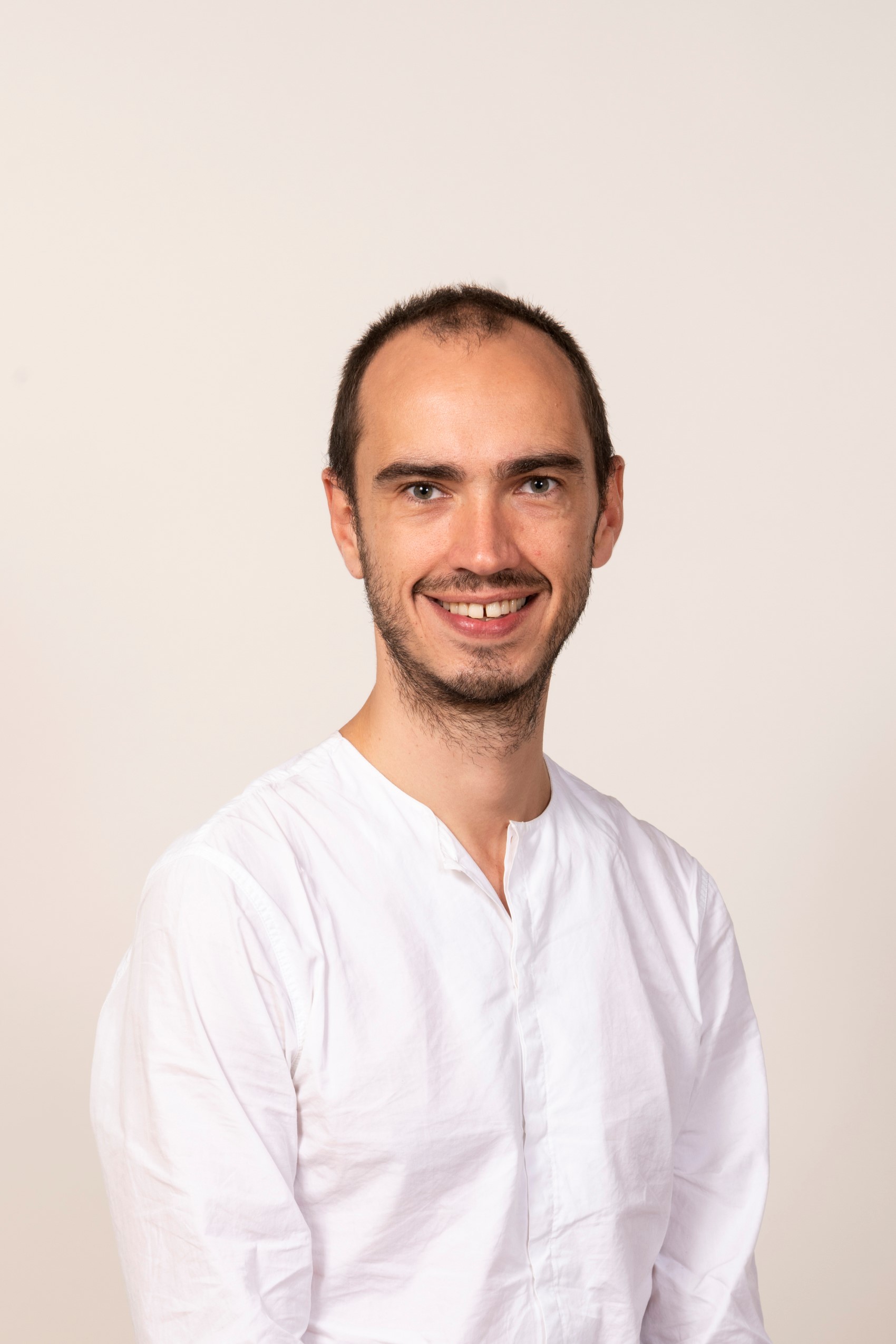
Portrait Expert
Charles-Edouard Notredame
Psychiatrist in the Child and Adolescent Psychiatric Department at the UHC University Hospital of Lille.
« Access to care is one of the cornerstones of mental health. »View the portrait