![[LOGO] Fondation Erie](https://fondation-erie.org/wp-content/uploads/2023/02/logo-fondation-erie.svg)
PORTRAIT Expert
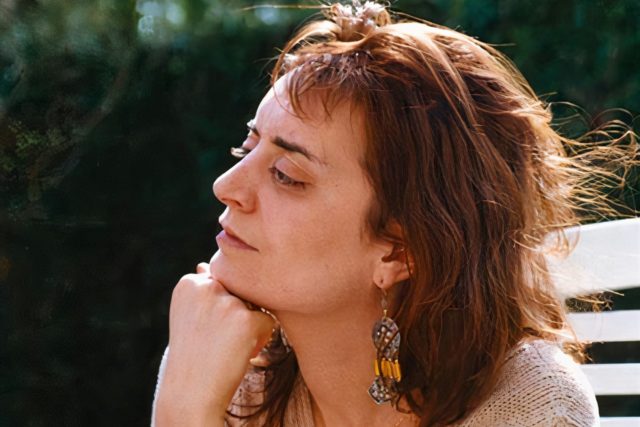
Anne-Sarah Kertudo
When I started working in access to justice, I ran free legal clinics at an association serving people in extreme precarity. During my training, my supervisor told me: “If someone is agitated, or speaks in a confused or delusional way, you need to get rid of them — they’re potentially dangerous.”
I was seeing homeless people, drug users, people just out of prison… And I asked myself: if I don’t see these people, who does?
Since then, I’ve held to a simple conviction: mental health or disability should never prevent anyone from knowing and asserting their rights. Among other things, this means training justice professionals — lawyers, judges, court clerks — to understand the difficulties tied to psychological or physical conditions, and to not shut their doors to litigants who are, more than most, victims of violence and discrimination.
Stigmatized and discredited groups are often the ones who most need support. Even when a person is agitated, or speaks in a confused or delusional way, they retain all of their rights. These behaviors in no way rule out the possibility that they have suffered a violation of their rights. On the contrary, they can be signs of trauma, and reveal a victim rather than a dangerous individual. Women who are victims of violence are a perfect illustration of this: post-traumatic reactions, denial, contradictory statements — these should raise our vigilance, and above all, never distract from what matters. These women are used to not being believed, to being abandoned. Our role is to stand by them. Let’s work together toward a justice system that includes everyone.
Portrait Expert
Portrait Expert
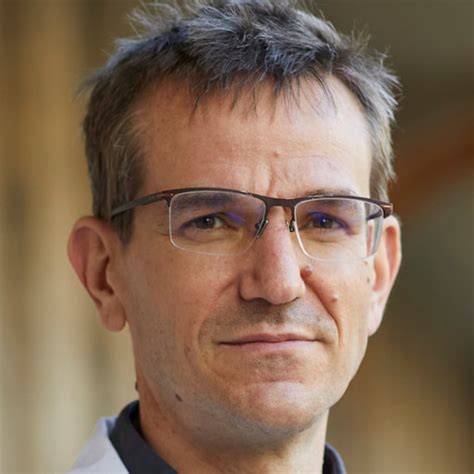
Cédric Lemogne
Professor of psychiatry, head of the adult psychiatry department at Hôtel-Dieu (AP-HP, Paris).
« Caring for women who are victims of domestic violence is not just a matter of social, legal, or physical treatment: this violence, so common, is also a mental health issue. »View the portrait
Portrait Expert
Portrait Expert
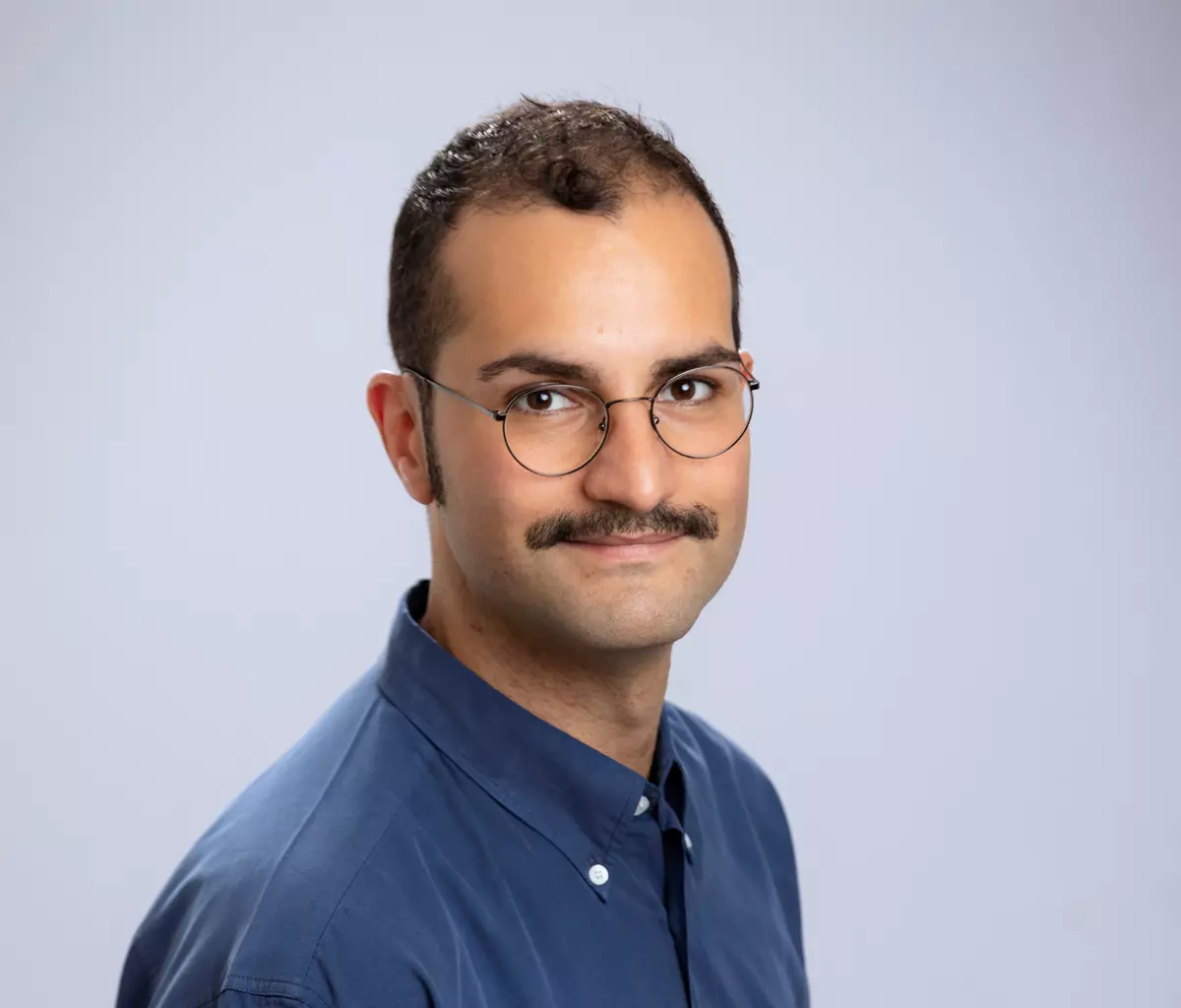
Simone Marchini
Child psychiatrist, researcher at ULB and Brussels University Hospital.
« In a complex institutional system, where multiple levels of power, funding, and organization coexist, it's not always easy to find the right entry point or ensure a smooth handoff between those involved. »View the portrait
Portrait Expert
Portrait Expert
Anne-Sarah Kertudo
Lawyer, founder and director of the association Droit Pluriel.
« During my training, my supervisor told me: "If someone is agitated, or speaks in a confused or delusional way, you need to get rid of them — they're potentially dangerous. »View the portrait
Portrait Expert
Portrait Expert
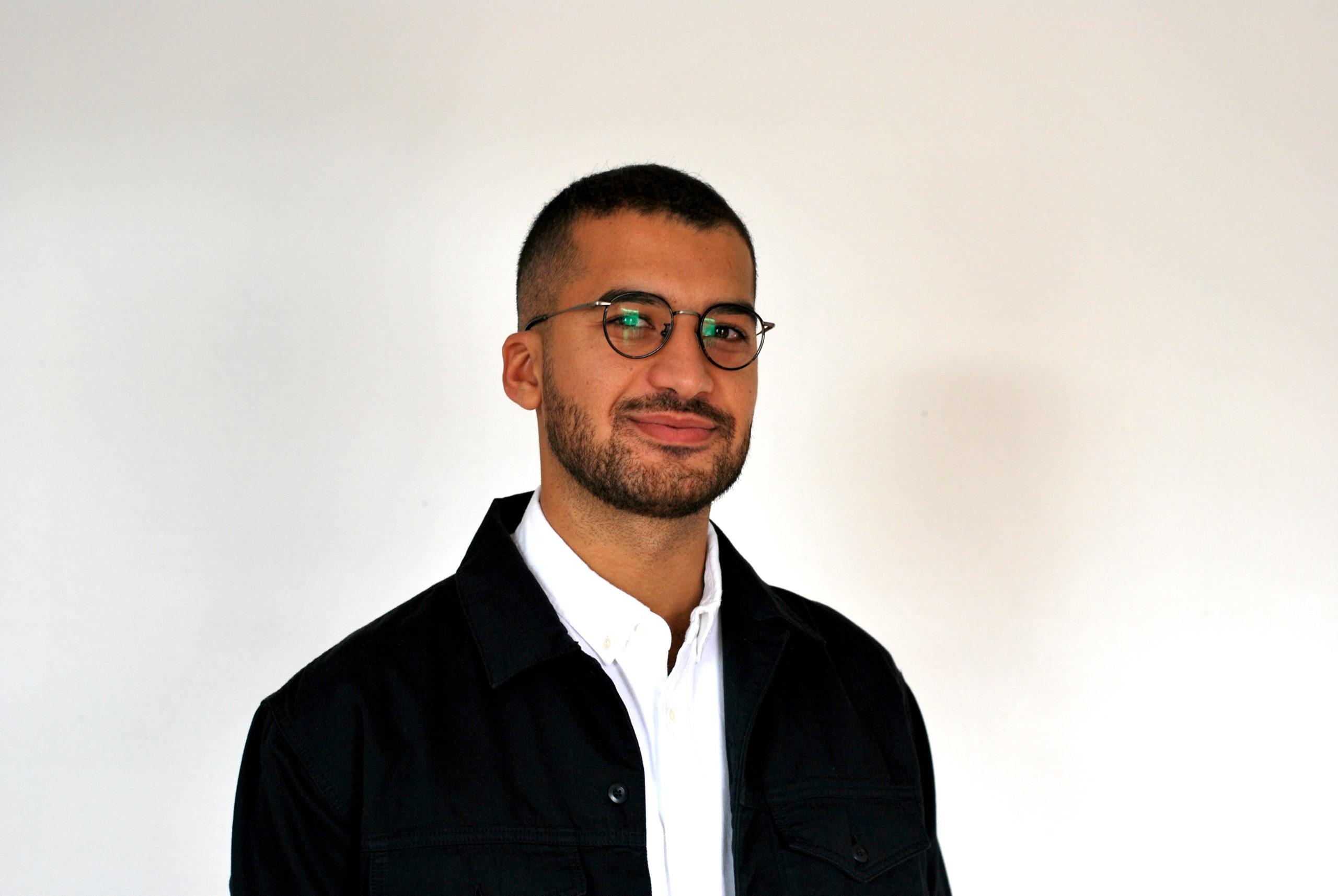
Dr. Jean-Victor Blanc
A psychiatrist and addictologist at Saint-Antoine Hospital (AP-HP, Paris), Jean-Victor Blanc is also a lecturer at Sorbonne University and founder of ‘Culture Pop et Psy’.
« [...] the priority here should be working to finally shift how we regard mental health. [...] By moving away from these stereotypes, we can revisit certain clichés, which will allow us to look after ourselves better and also promote inclusion. »View the portrait
Portrait Expert
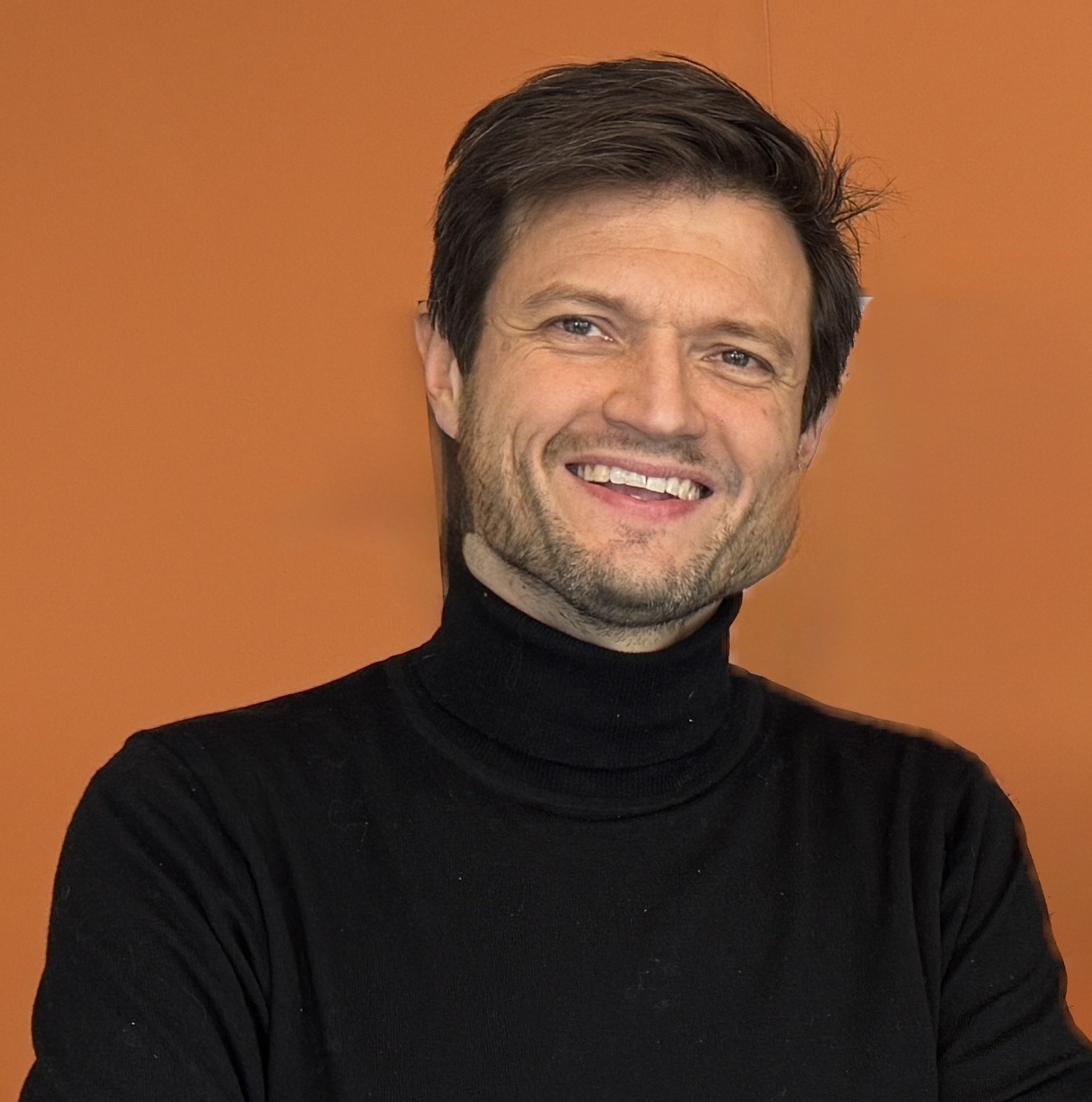
Portrait Expert
Pierre Oswald
Psychiatrist, professor, and head of the psychiatry department at Brussels University Hospital (HUB).
« Two people with the same condition, or facing comparable suffering, won't necessarily need the same care. »View the portrait
Portrait Expert
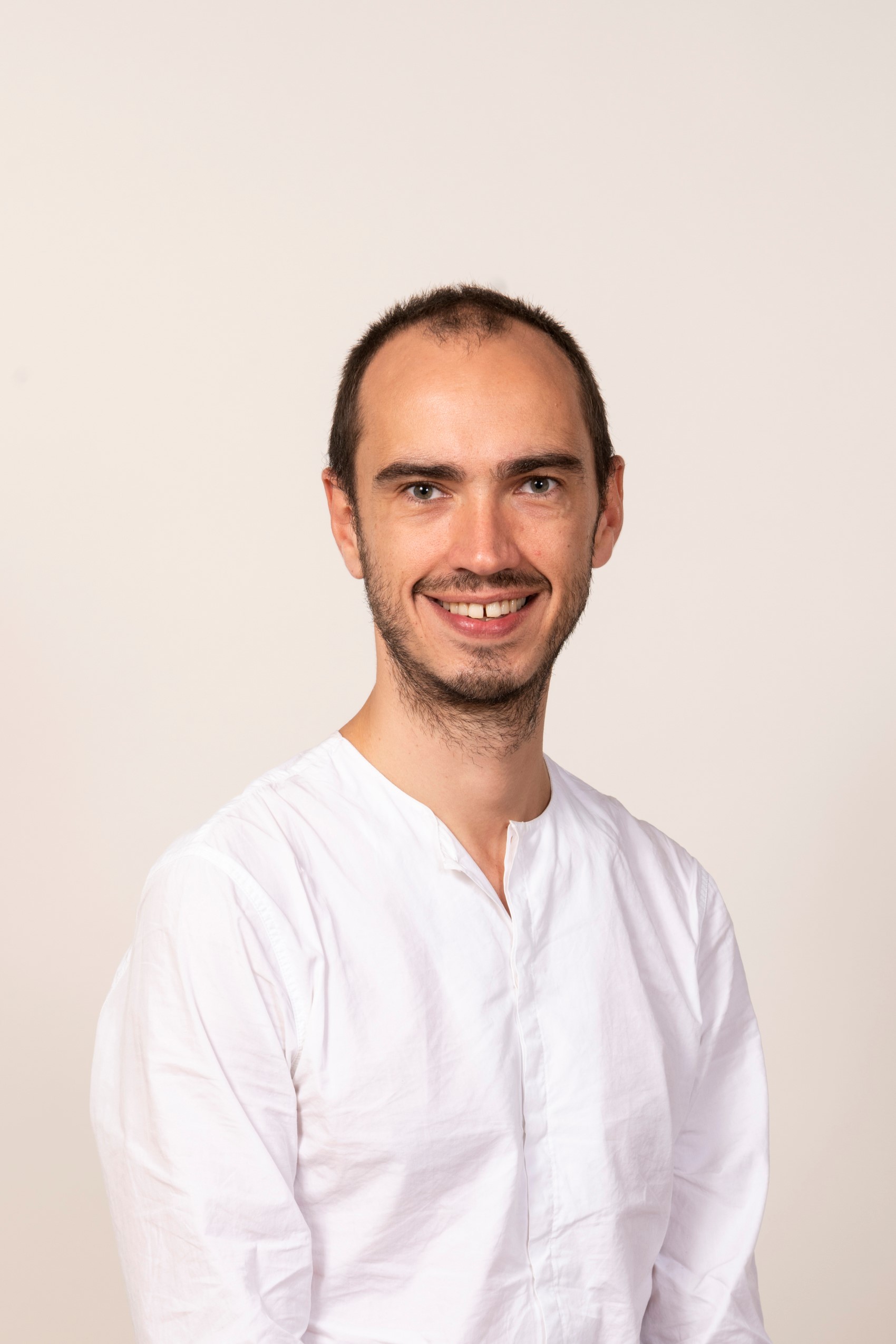
Portrait Expert
Charles-Edouard Notredame
Psychiatrist in the Child and Adolescent Psychiatric Department at the UHC University Hospital of Lille.
« Access to care is one of the cornerstones of mental health. »View the portrait