![[LOGO] Fondation Erie](https://fondation-erie.org/wp-content/uploads/2023/02/logo-fondation-erie.svg)
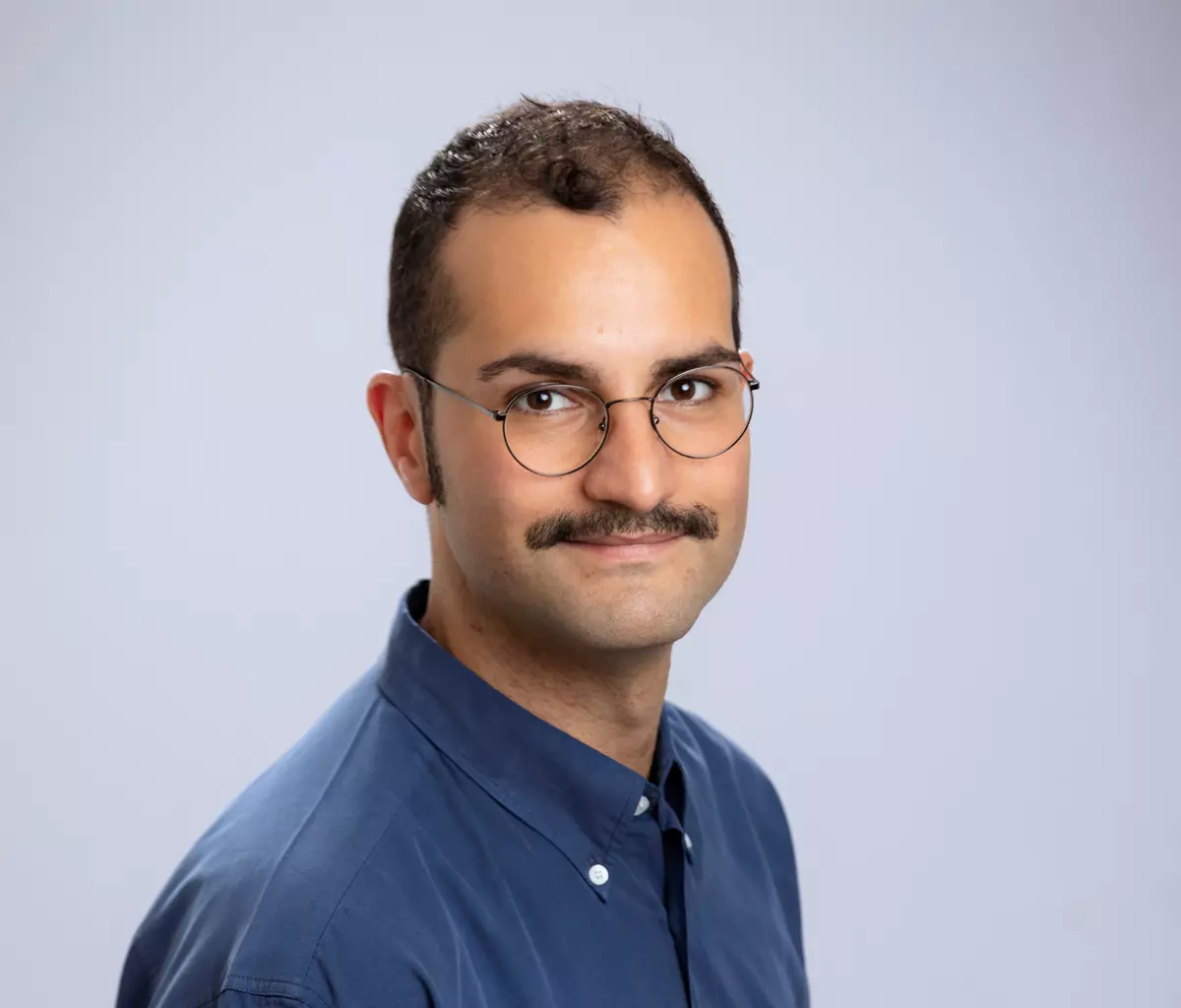
PORTRAIT Expert
Simone Marchini
French-speaking Belgium has a solid foundation in child and adolescent mental health: recognized clinical expertise, committed teams, relatively favorable reimbursement arrangements, and real capacity for innovation. Few systems of this size can draw on such a base.
But this wealth remains unevenly accessible. Child psychiatry services are heavily concentrated in major urban centers, while more remote areas have far more limited resources. For many families, this means long journeys, delays, and sometimes forgoing care altogether. This territorial imbalance isn’t unique to Belgium, but it hits hardest for children and adolescents already made vulnerable by social or geographic isolation.
A less visible difficulty concerns continuity of care. The different levels of care exist, but the handoffs between them remain too often fragile, poorly coordinated, or hard for families to navigate. In a complex institutional system, where multiple levels of power, funding, and organization coexist, it’s not always easy to find the right entry point or ensure a smooth handoff between those involved.
Since the 2015 reform, meaningful progress has been made, particularly in prevention, network-based work, and the development of mobile teams. These developments are moving in the right direction. But they also reveal how far there is still to go: better connecting primary care with specialized services, strengthening collaboration with schools, families, and other local stakeholders, and making care pathways more coherent from the point of view of the people using them.
In this respect, other international experiences, such as Quebec’s, are instructive for the attention they pay to community anchoring, care coordination, and evaluating quality of care based on lived experience. This is likely the direction to take: making an already valuable offering more legible, more accessible, and more continuous.
In Belgium, improving the mental health of children and adolescents mainly means better connecting what already exists: reducing territorial inequalities, securing transitions between levels of care, and giving young people and families more of a voice.
Portrait Expert

Portrait Expert
Anne-Sarah Kertudo
Lawyer, founder and director of the association Droit Pluriel.
« During my training, my supervisor told me: "If someone is agitated, or speaks in a confused or delusional way, you need to get rid of them — they're potentially dangerous. »View the portrait
Portrait Expert
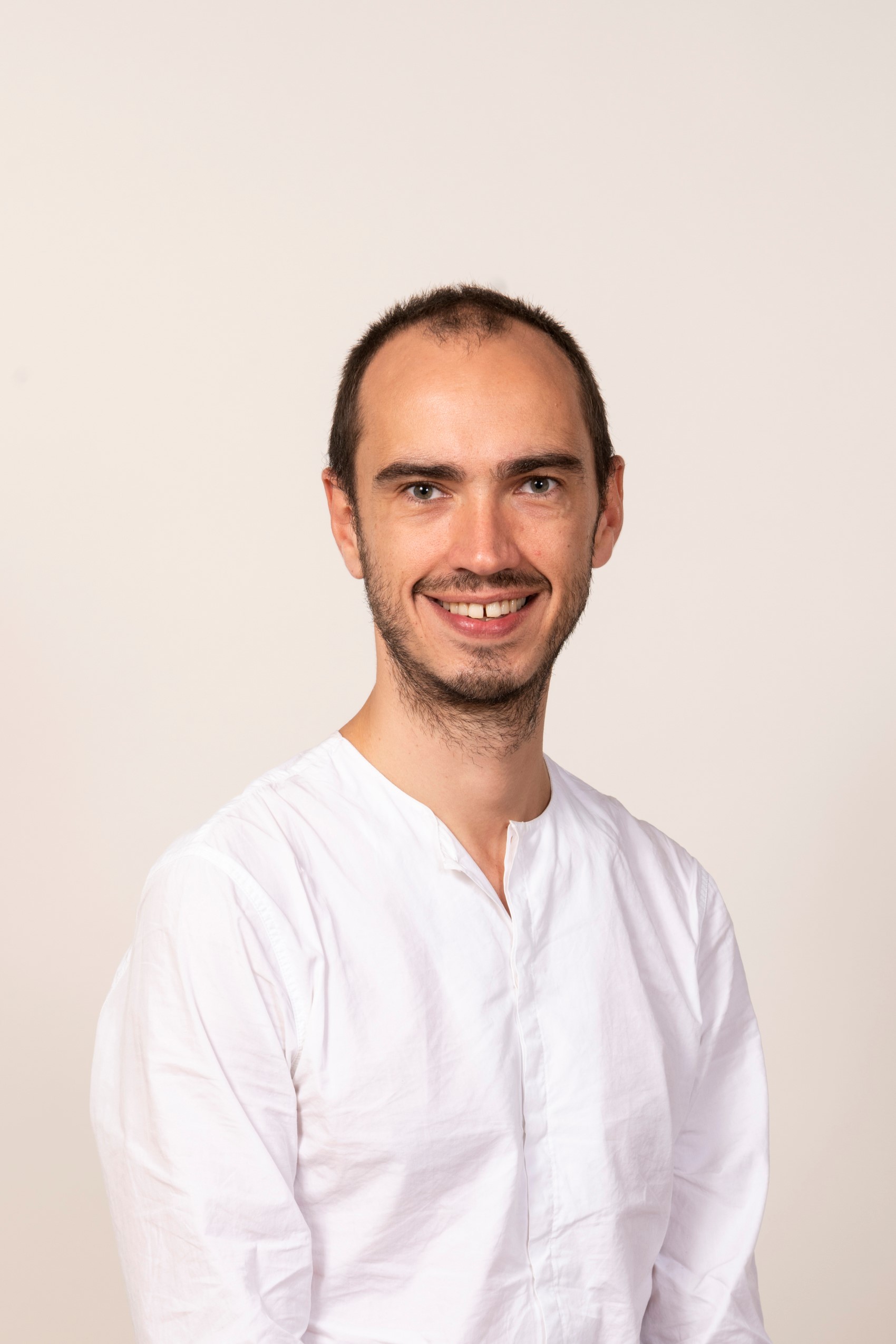
Portrait Expert
Charles-Edouard Notredame
Psychiatrist in the Child and Adolescent Psychiatric Department at the UHC University Hospital of Lille.
« Access to care is one of the cornerstones of mental health. »View the portrait
Portrait Expert
Portrait Expert
Simone Marchini
Child psychiatrist, researcher at ULB and Brussels University Hospital.
« In a complex institutional system, where multiple levels of power, funding, and organization coexist, it's not always easy to find the right entry point or ensure a smooth handoff between those involved. »View the portrait
Portrait Expert
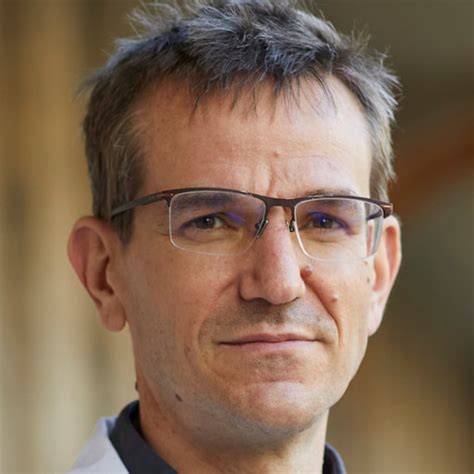
Portrait Expert
Cédric Lemogne
Professor of psychiatry, head of the adult psychiatry department at Hôtel-Dieu (AP-HP, Paris).
« Caring for women who are victims of domestic violence is not just a matter of social, legal, or physical treatment: this violence, so common, is also a mental health issue. »View the portrait
Portrait Expert
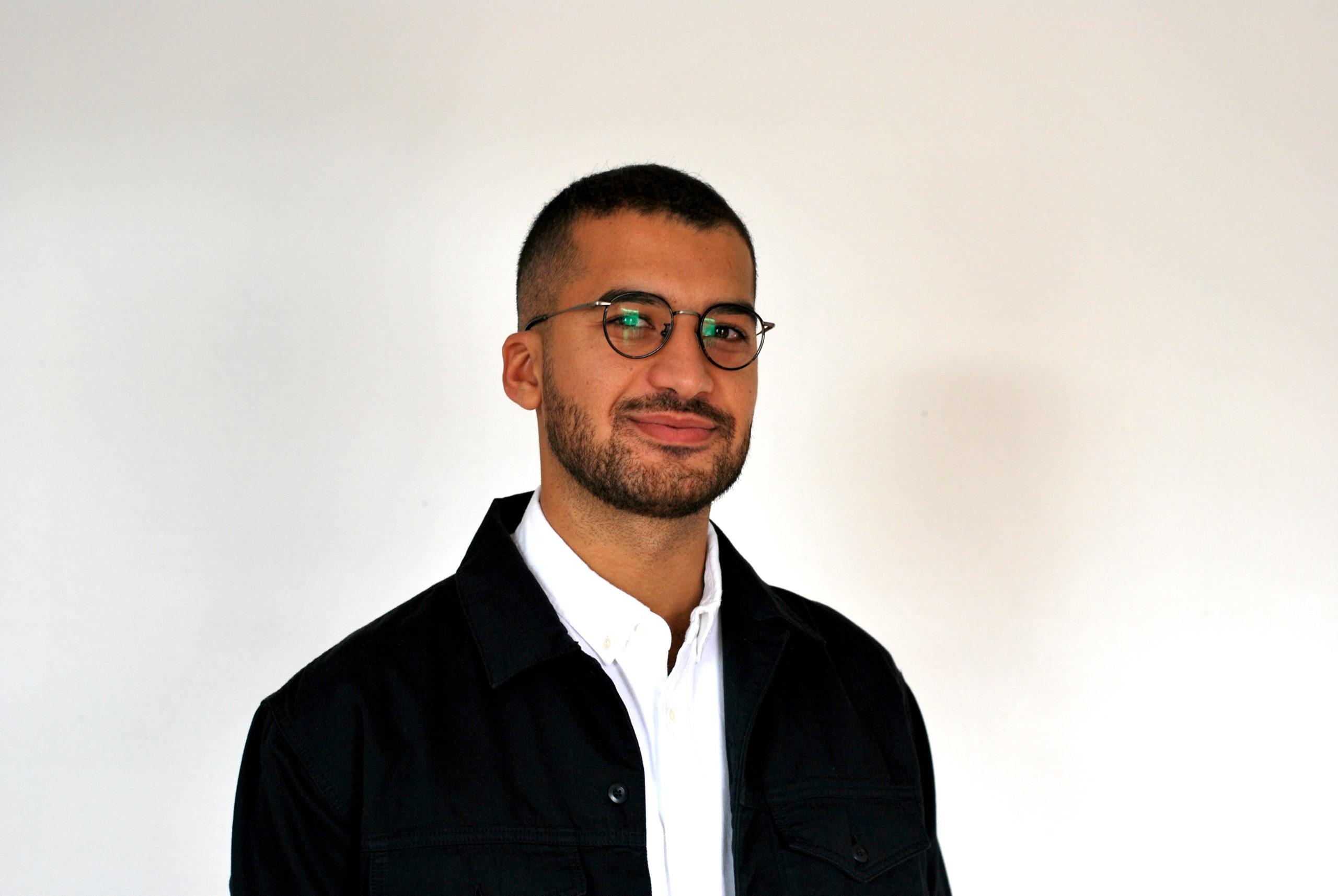
Portrait Expert
Dr. Jean-Victor Blanc
A psychiatrist and addictologist at Saint-Antoine Hospital (AP-HP, Paris), Jean-Victor Blanc is also a lecturer at Sorbonne University and founder of ‘Culture Pop et Psy’.
« [...] the priority here should be working to finally shift how we regard mental health. [...] By moving away from these stereotypes, we can revisit certain clichés, which will allow us to look after ourselves better and also promote inclusion. »View the portrait
Portrait Expert

Portrait Expert
Pierre Oswald
Psychiatrist, professor, and head of the psychiatry department at Brussels University Hospital (HUB).
« Two people with the same condition, or facing comparable suffering, won't necessarily need the same care. »View the portrait