![[LOGO] Fondation Erie](https://fondation-erie.org/wp-content/uploads/2023/02/logo-fondation-erie.svg)
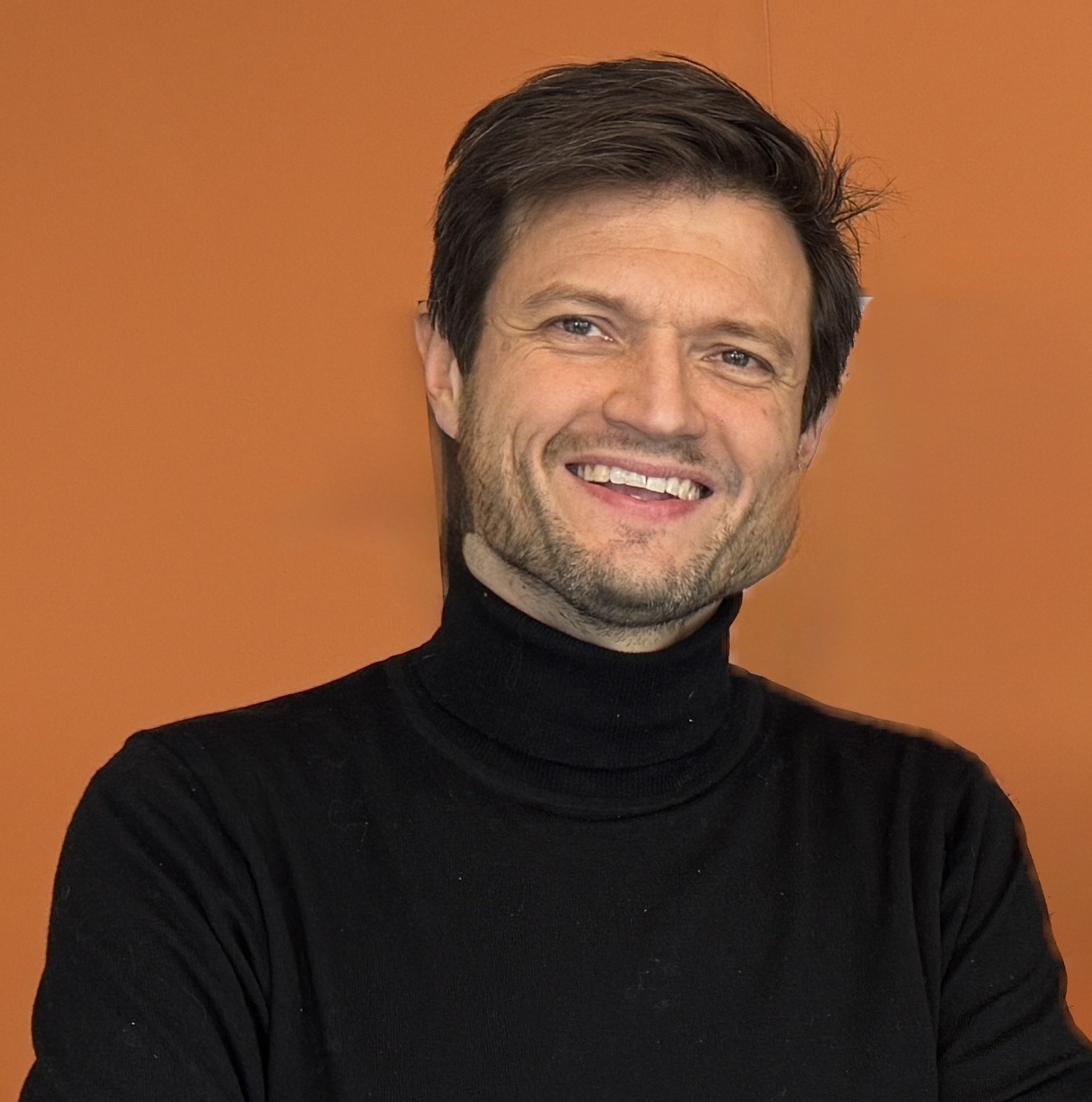
PORTRAIT Expert
Pierre Oswald
Mental health cannot be reduced to an isolated disorder or a biological mechanism. It engages a person’s trajectory, body, environment, and history. It calls for an integrative and personalized psychiatry: two people with the same condition, or facing comparable suffering, won’t necessarily need the same care. Depending on someone’s life context, the focus may fall on adjusting the environment, psychological support, or treatment — most often combining several approaches. This tailoring is especially critical during the transition age, between 15 and 25, when vulnerabilities first emerge and adolescent and adult services struggle to ensure continuity.
This personalization requires genuine interdisciplinarity: not a juxtaposition of professions but shared work. Psychiatrists, psychologists, nurses, social workers, and general practitioners, alongside patients and their families, build a shared understanding together. Interdisciplinarity is not merely an organizational choice: it is the condition for care that accounts for the whole person.
Yet this ambition runs up against the fragmentation of care. Actors often operate in parallel, each fulfilling their own role without the whole gaining coherence. Coordination mechanisms have multiplied, but that hasn’t given them direction: a network can multiply connections and still leave the patient to find their own way, or lost between conflicting opinions. What’s missing is an assumed clinical governance, capable of carrying a vision and making decisions.
Concretely: a designated clinical lead for each complex case, an organized handoff between adolescent and adult services, case formulations built together rather than juxtaposed opinions, and care pathways designed around the person rather than the institution. These are the paths to truly addressing the complexity of these situations.
Portrait Expert
Portrait Expert
Charles-Edouard Notredame
Psychiatrist in the Child and Adolescent Psychiatric Department at the UHC University Hospital of Lille.
« Access to care is one of the cornerstones of mental health. »View the portrait
Portrait Expert

Portrait Expert
Anne-Sarah Kertudo
Lawyer, founder and director of the association Droit Pluriel.
« During my training, my supervisor told me: "If someone is agitated, or speaks in a confused or delusional way, you need to get rid of them — they're potentially dangerous. »View the portrait
Portrait Expert
Portrait Expert
Pierre Oswald
Psychiatrist, professor, and head of the psychiatry department at Brussels University Hospital (HUB).
« Two people with the same condition, or facing comparable suffering, won't necessarily need the same care. »View the portrait
Portrait Expert
Portrait Expert
Dr. Jean-Victor Blanc
A psychiatrist and addictologist at Saint-Antoine Hospital (AP-HP, Paris), Jean-Victor Blanc is also a lecturer at Sorbonne University and founder of ‘Culture Pop et Psy’.
« [...] the priority here should be working to finally shift how we regard mental health. [...] By moving away from these stereotypes, we can revisit certain clichés, which will allow us to look after ourselves better and also promote inclusion. »View the portrait
Portrait Expert
Portrait Expert
Cédric Lemogne
Professor of psychiatry, head of the adult psychiatry department at Hôtel-Dieu (AP-HP, Paris).
« Caring for women who are victims of domestic violence is not just a matter of social, legal, or physical treatment: this violence, so common, is also a mental health issue. »View the portrait
Portrait Expert
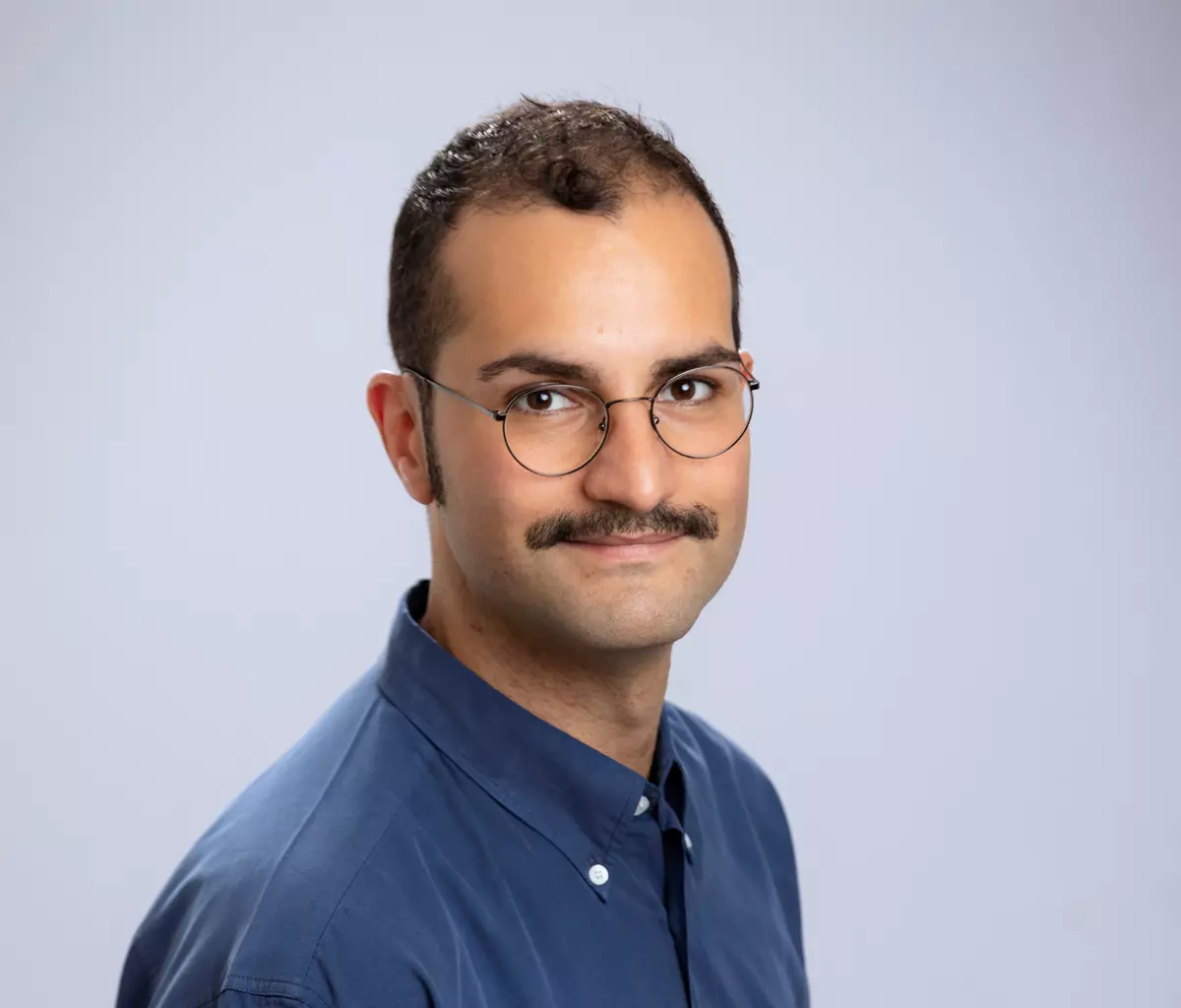
Portrait Expert
Simone Marchini
Child psychiatrist, researcher at ULB and Brussels University Hospital.
« In a complex institutional system, where multiple levels of power, funding, and organization coexist, it's not always easy to find the right entry point or ensure a smooth handoff between those involved. »View the portrait