![[LOGO] Fondation Erie](https://fondation-erie.org/wp-content/uploads/2023/02/logo-fondation-erie.svg)
PORTRAIT Expert
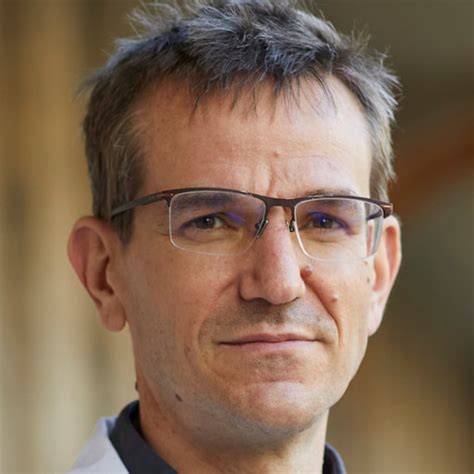
Cédric Lemogne
Caring for women who are victims of domestic violence is not just a matter of social, legal, or physical treatment. This violence, so common, is also a mental health issue. Yet this statement must be handled with care: even as attitudes evolve, these women’s suffering is still often trivialized or “psychiatrized” to discredit their word. The challenge, then, is to recognize genuine mental health needs without reducing victims to this aspect alone. Early trauma, intrafamilial violence — psychological, physical, or sexual — coercive control and manipulation can undermine self-esteem and the capacity to protect oneself and ask for help. They increase exposure to depression, post-traumatic stress, addictions, dissociative disorders, and functional somatic disorders. These conditions are still sometimes read as a sign of weakness, when in fact they are first and foremost the imprint of violence endured.
For many women who are victims of domestic violence, access to rights, safety, and care therefore cannot be built without integrated mental health care.
This calls for a reinforced, graduated mental health care pathway, integrated with social, legal, forensic, and physical care. Stabilizing, understanding coercive control, processing the trauma, restoring self-esteem and agency: these are the necessary steps for these women to reclaim ownership of their trajectory. Only this integrated approach — not fragmented care — can meet the situation at the level it demands.
Portrait Expert
Portrait Expert
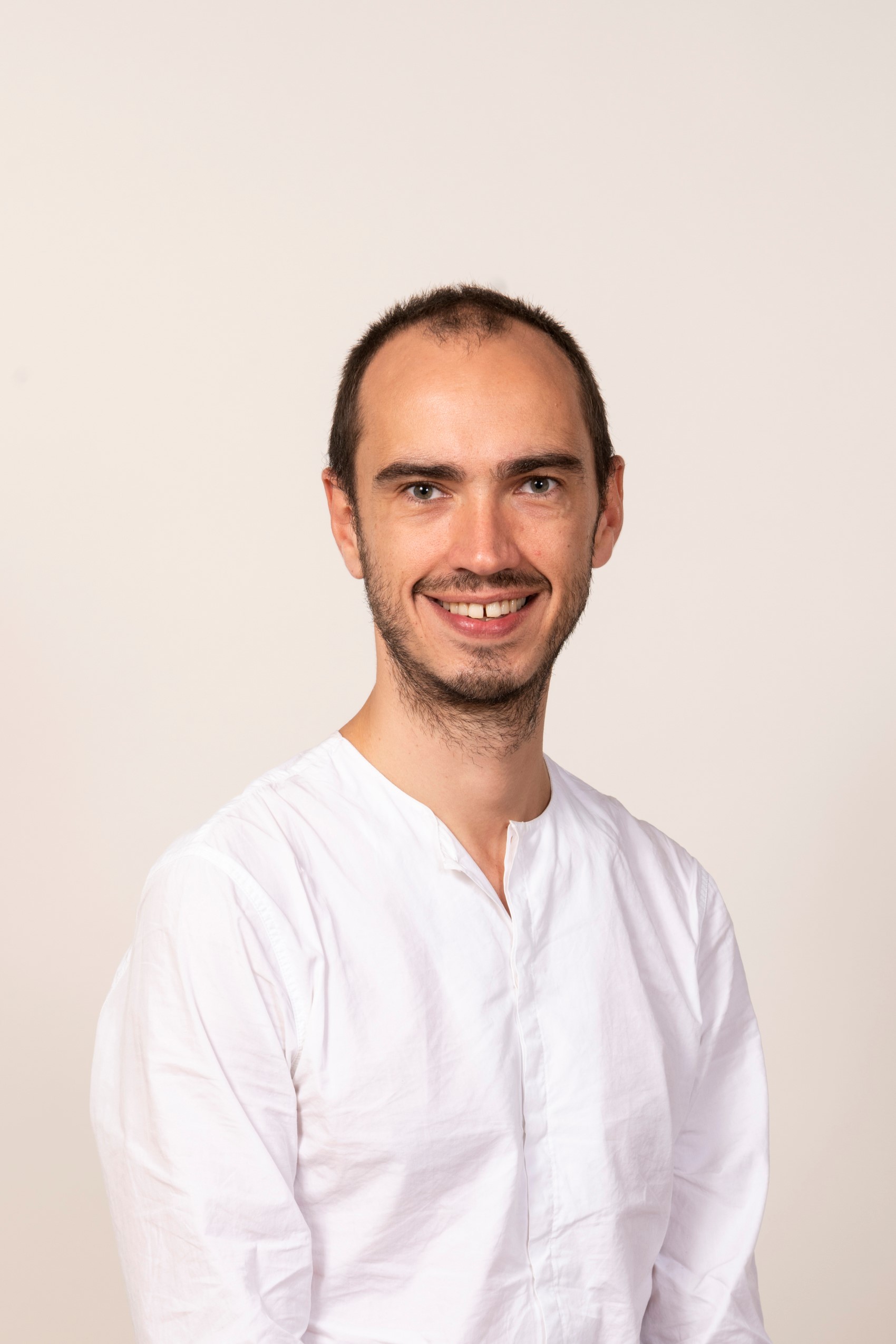
Charles-Edouard Notredame
Psychiatrist in the Child and Adolescent Psychiatric Department at the UHC University Hospital of Lille.
« Access to care is one of the cornerstones of mental health. »View the portrait
Portrait Expert

Portrait Expert
Anne-Sarah Kertudo
Lawyer, founder and director of the association Droit Pluriel.
« During my training, my supervisor told me: "If someone is agitated, or speaks in a confused or delusional way, you need to get rid of them — they're potentially dangerous. »View the portrait
Portrait Expert
Portrait Expert
Cédric Lemogne
Professor of psychiatry, head of the adult psychiatry department at Hôtel-Dieu (AP-HP, Paris).
« Caring for women who are victims of domestic violence is not just a matter of social, legal, or physical treatment: this violence, so common, is also a mental health issue. »View the portrait
Portrait Expert

Portrait Expert
Pierre Oswald
Psychiatrist, professor, and head of the psychiatry department at Brussels University Hospital (HUB).
« Two people with the same condition, or facing comparable suffering, won't necessarily need the same care. »View the portrait
Portrait Expert
Portrait Expert
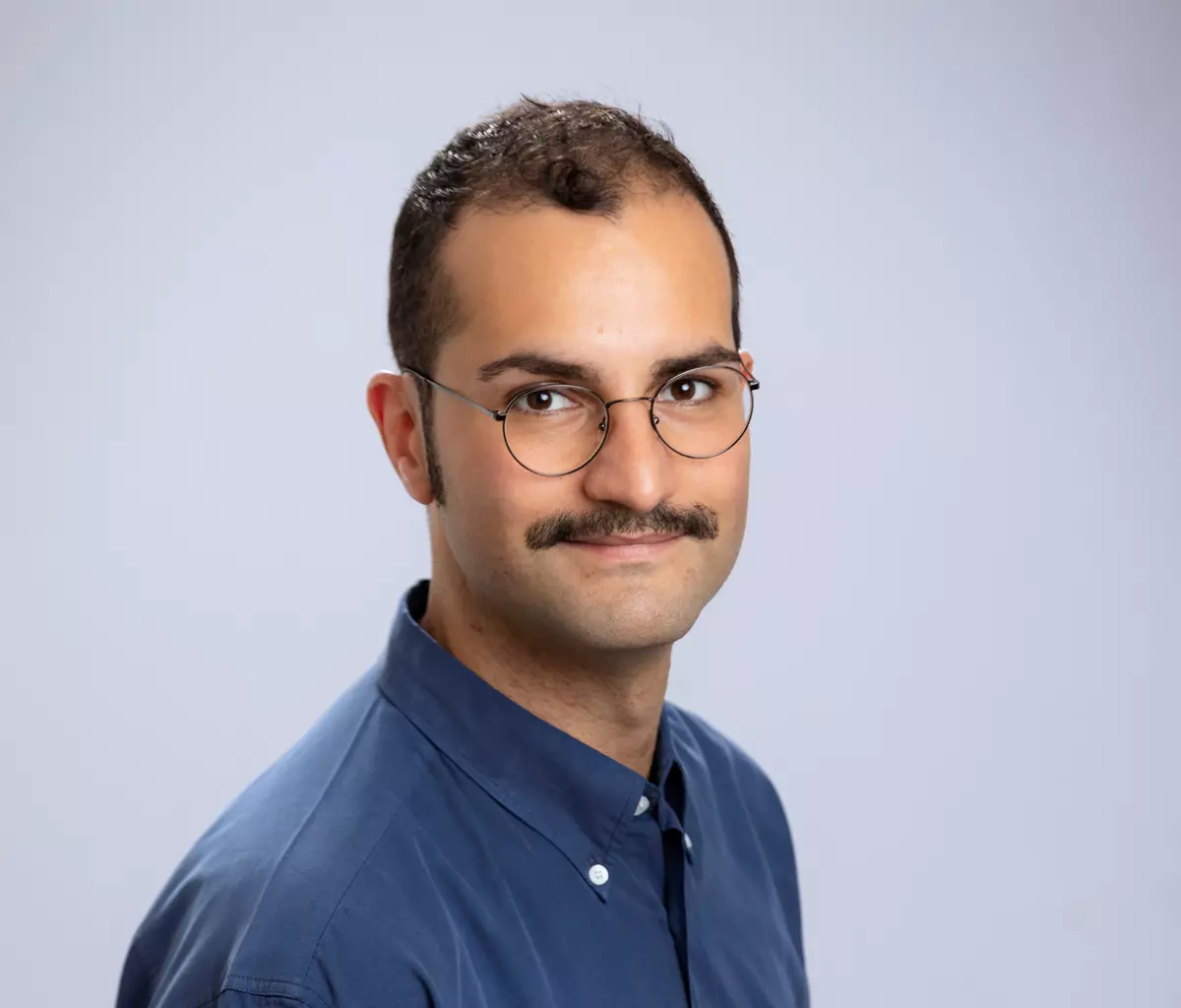
Simone Marchini
Child psychiatrist, researcher at ULB and Brussels University Hospital.
« In a complex institutional system, where multiple levels of power, funding, and organization coexist, it's not always easy to find the right entry point or ensure a smooth handoff between those involved. »View the portrait
Portrait Expert
Portrait Expert
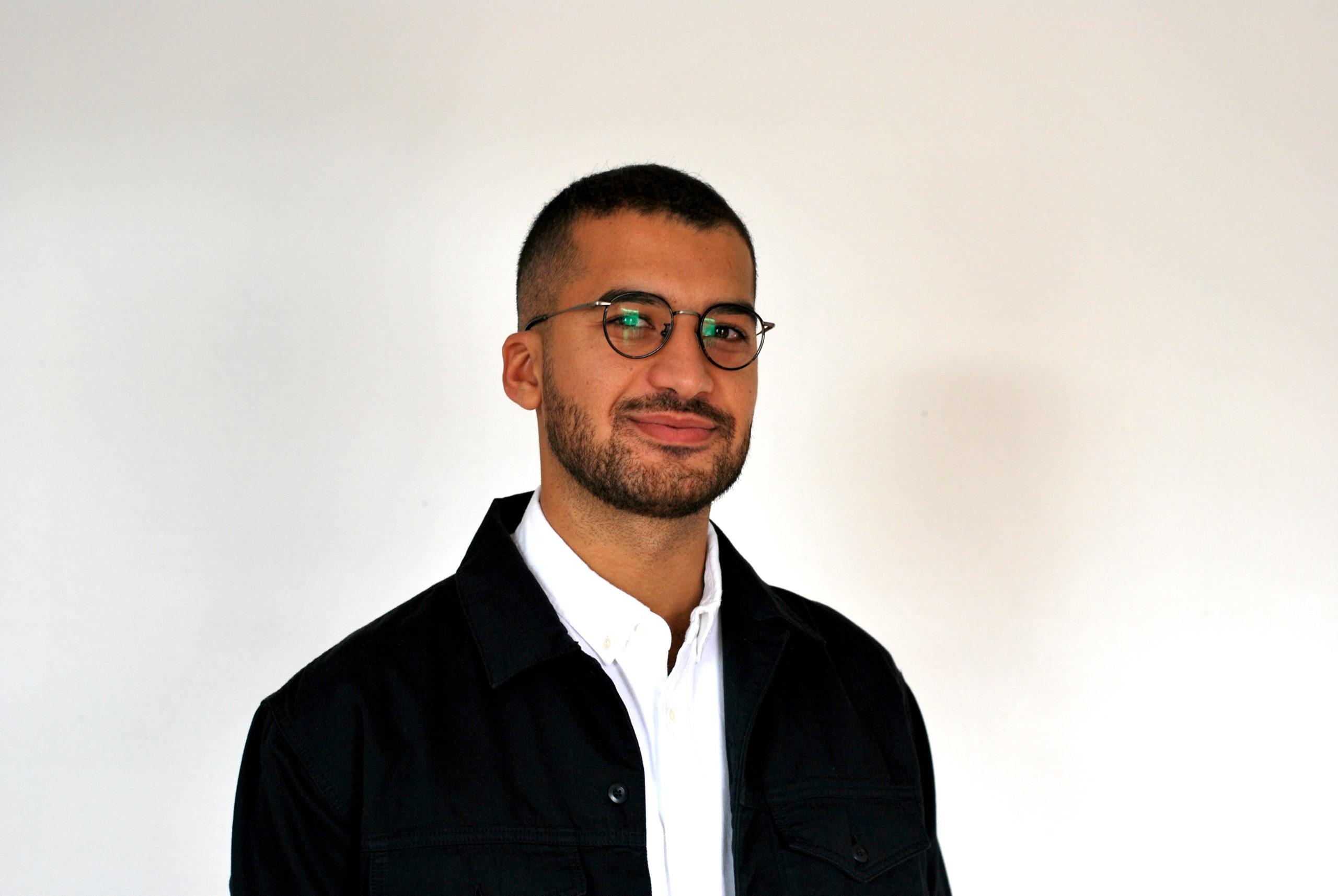
Dr. Jean-Victor Blanc
A psychiatrist and addictologist at Saint-Antoine Hospital (AP-HP, Paris), Jean-Victor Blanc is also a lecturer at Sorbonne University and founder of ‘Culture Pop et Psy’.
« [...] the priority here should be working to finally shift how we regard mental health. [...] By moving away from these stereotypes, we can revisit certain clichés, which will allow us to look after ourselves better and also promote inclusion. »View the portrait